info@thetriple-t.org

Emergency Response in Moebye Area, Karenni State (Water Distribution)

Opening

During March 2026, military tensions significantly escalated in western Moebye and the Pekhon area. Increased military activities, frequent airstrikes, and disruptions to water transportation routes created a severe humanitarian situation. As a result, 1,194 internally displaced persons (IDPs) faced an acute emergency water shortage crisis.

At that critical moment,

"access to safe drinking water was no longer merely a basic necessity—it became essential for survival".

One displaced community member expressed the gravity of the situation:

“Without water, I don’t know how we can continue to survive.”

This statement clearly illustrates the urgency and severity of the crisis faced by the affected population.

Triple-T Response

To address this emergency, Triple-T mobilized a rapid response within one week of the incident.

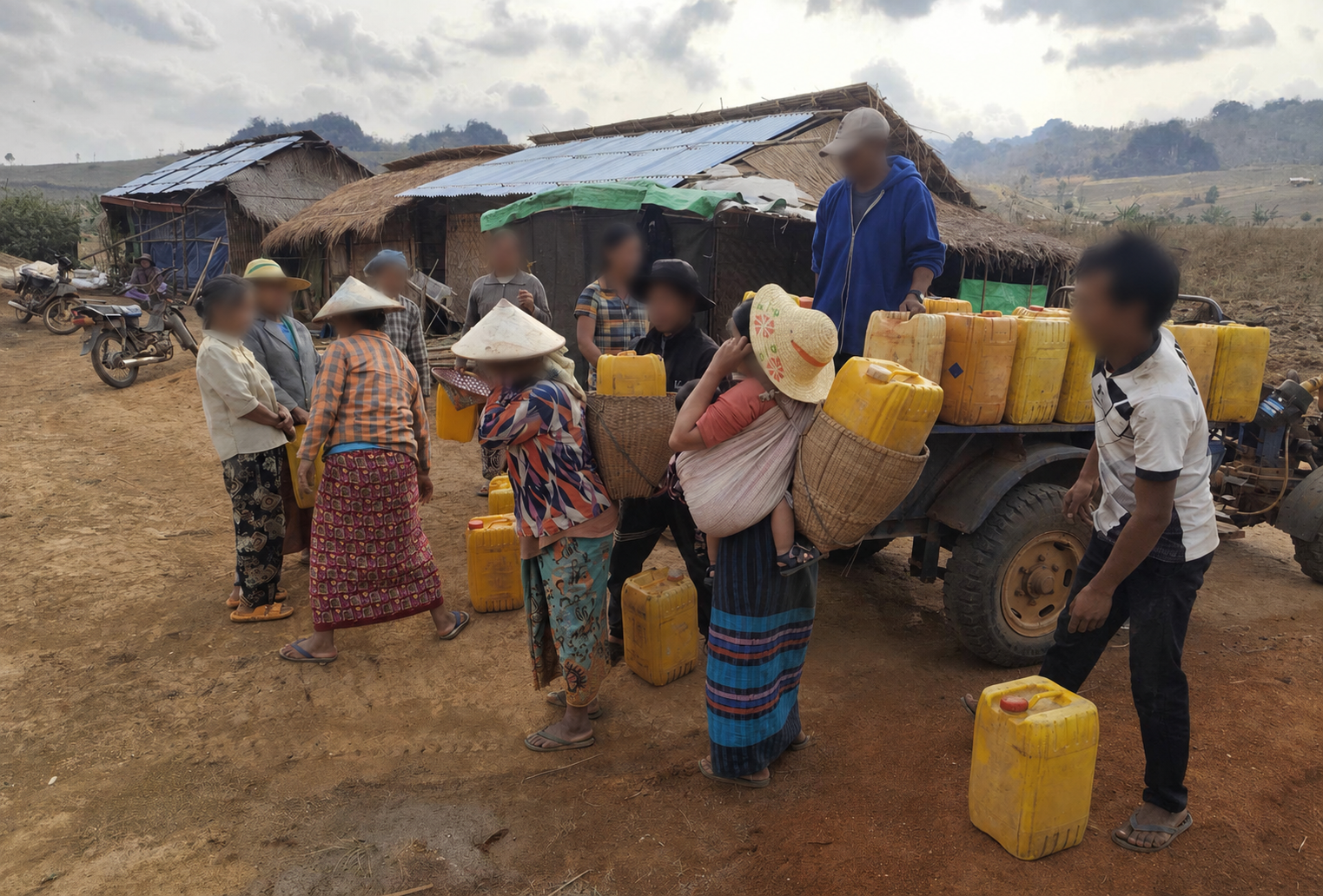
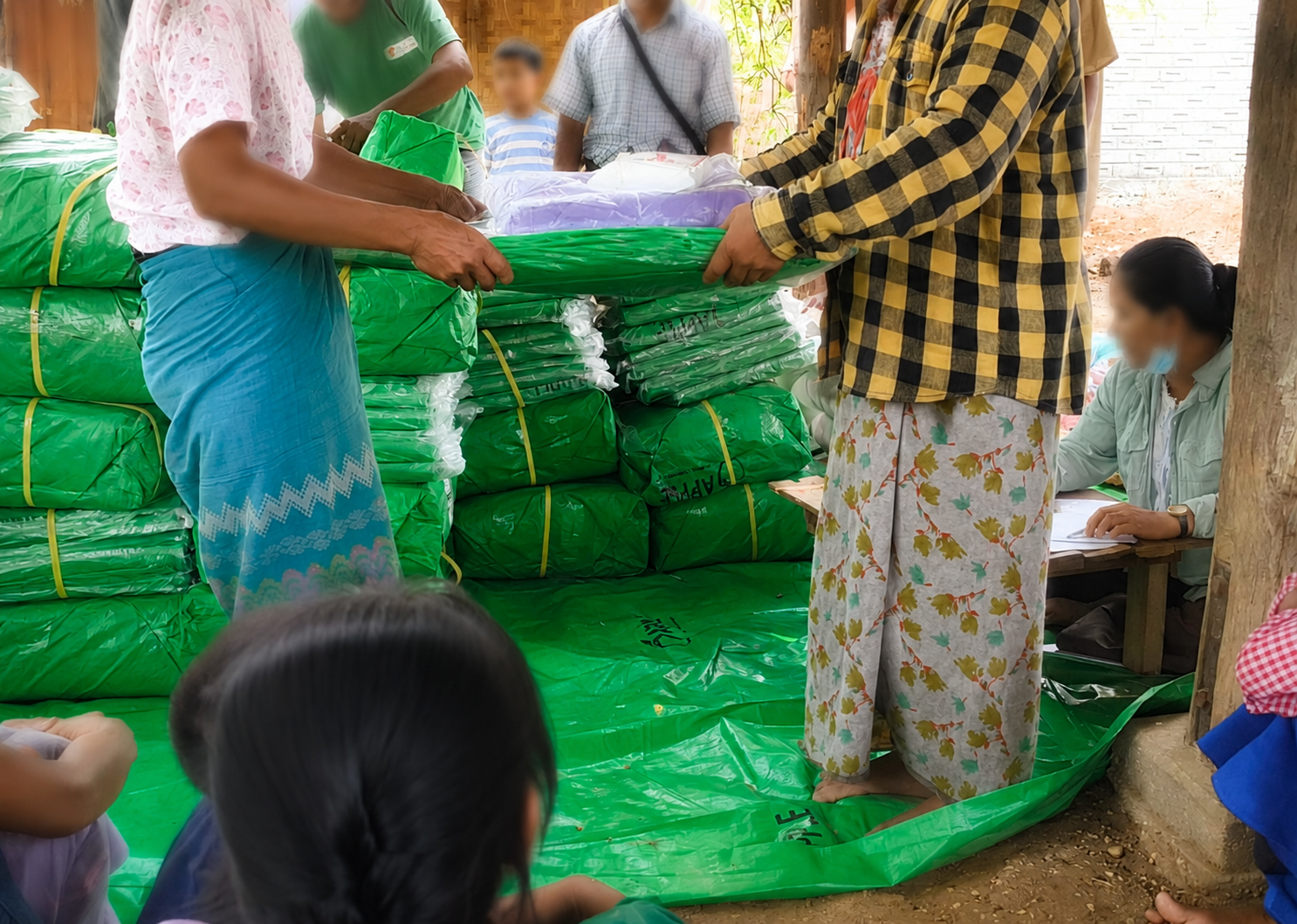
Through close coordination among Triple-T field team members, IDP camp committees, local community leaders, and staff from the IEC Information and Communication Department, life-saving drinking water was quickly delivered to 1,194 displaced people.

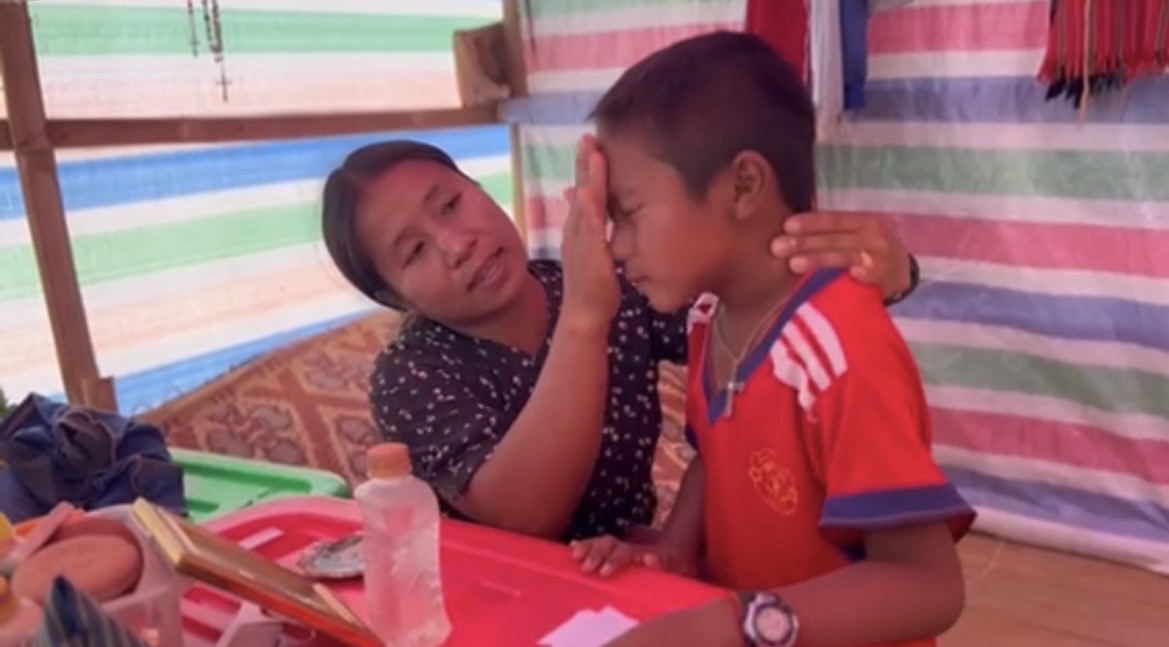
In addition to water distribution, the team provided awareness sessions on safe drinking water, proper water usage, and hygiene practices. All activities were implemented in accordance with the principles of Do No Harm and Protection from Sexual Exploitation and Abuse (PSEA).

Challenges

However, delivering humanitarian assistance to the affected communities was far from easy.

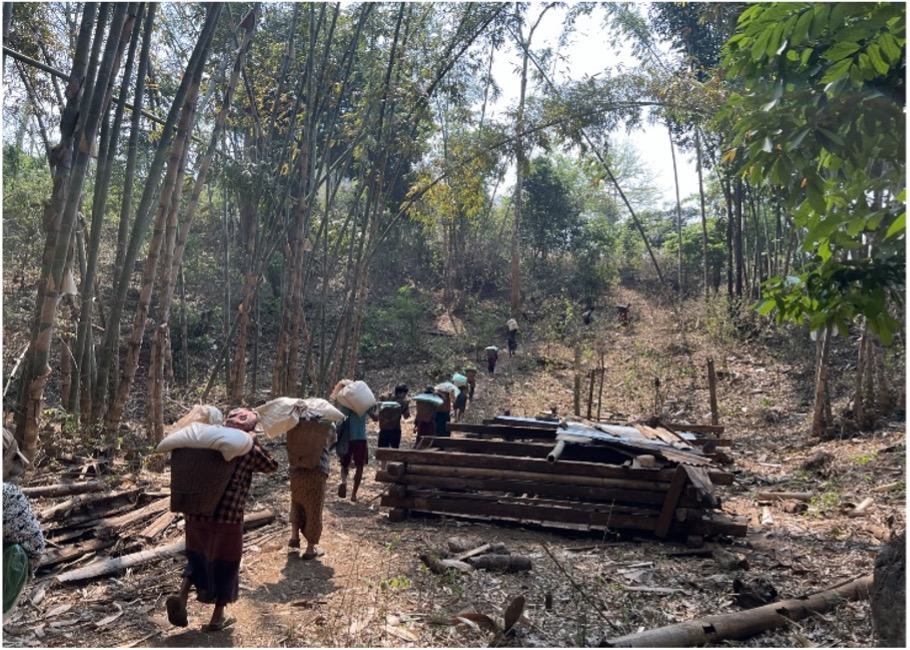
The response team faced significant security risks due to ongoing conflict, limited transportation options, difficult road access, and an unstable operating environment. The rapidly changing context on the ground required continuous adaptation throughout the response.

Solutions

Triple-T addressed these challenges through strong local coordination, flexible planning, and active community participation.

Before the intervention began, the team coordinated closely with camp committees to identify available water sources and arrange transportation logistics in advance. Community volunteers residing in the displacement camps were actively engaged in the implementation process.

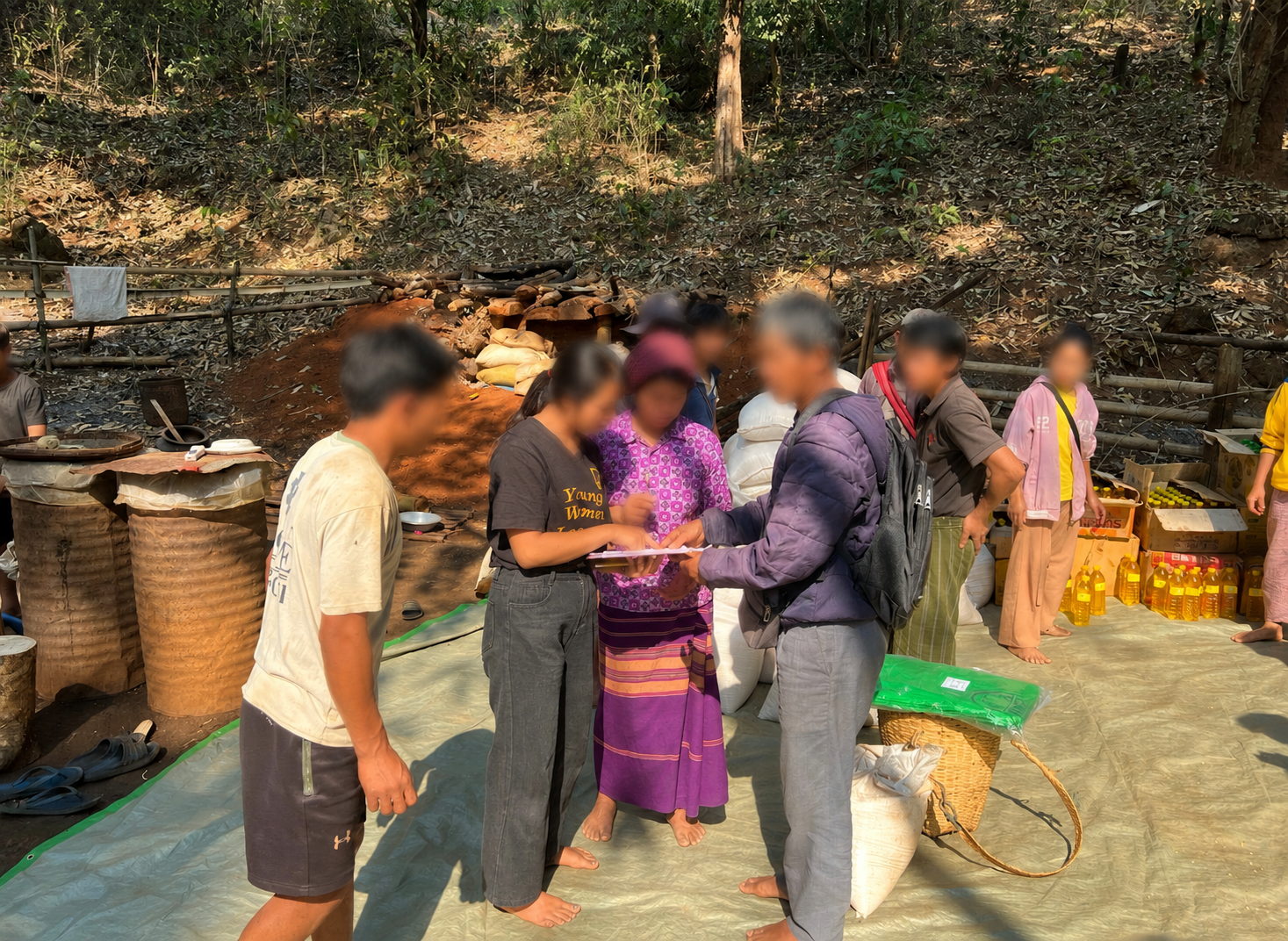
Beneficiaries were clearly informed about the distribution process, including water allocation quantities, collection schedules, and distribution arrangements. This transparent approach helped ensure that assistance reached affected communities in a timely and organized manner.

Results

As a result of this emergency response, 1,194 displaced individuals gained access to safe drinking water, significantly reducing the immediate risks associated with water shortages and lowering the likelihood of water-related diseases.

The intervention also strengthened the coping capacity of affected communities.

The water assistance provided by Triple-T:

  • Reduced health risks associated with inadequate access to safe water.
  • Helped protect vulnerable populations during a critical period of displacement.
  • Supported affected families in maintaining their dignity and resilience despite difficult circumstances.
  • Improved community awareness of water, sanitation, and hygiene practices.
  • Strengthened cooperation and collective action among community members.
  • The support provided was more than just water—it represented hope, dignity, and protection for people facing extraordinary hardship.

    Achievement

    This achievement was not the result of Triple-T’s efforts alone.It was made possible through the combined contributions of local partnerships, community collaboration, and donor support.

    On behalf of the affected communities, the Triple-T field team extends its sincere gratitude to all partners and supporters. Your timely assistance helped protect lives and ensured that vulnerable families received critical support when they needed it most.

    Closing

    Moving forward, Triple-T remains committed to providing accountable, responsible, and timely humanitarian assistance to conflict-affected and displaced populations in Karenni State and other crisis-affected areas.

    We would like to express our heartfelt appreciation to the local organizations, camp committees, community leaders, IEC representatives, donors, and all Triple-T team members whose cooperation and support made this emergency response possible.

    Through our collective efforts, we were able to reach those in need at a critical moment and help safeguard their health, dignity, and well-being.

    Thank you for your continued support and solidarity.